Fire Safety
The kindergarten must have an emergency plan for fire and accidents. The plan serves as a tool in the event of an emergency. It is important that all staff members, including substitutes, are familiar with and understand the safety routines. Routine checks must be carried out consistently. This includes internal inspections using outdoor and indoor checklists, fire drills, and first aid training.
We place great emphasis on fire safety in the kindergarten. The kindergarten has developed routines and checklists related to fire prevention.
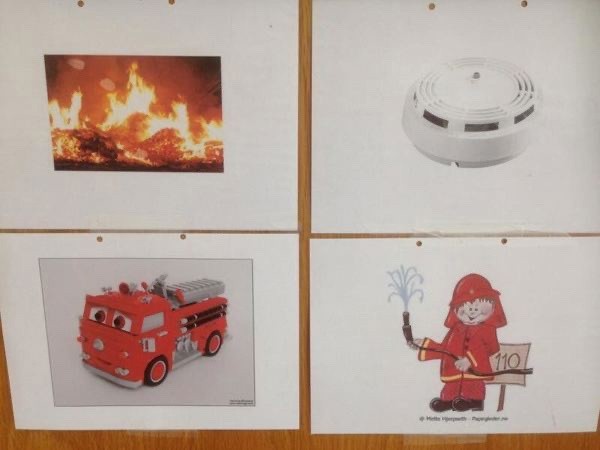
In the autumn, all groups have a Fire Safety Week, where we use various tools and materials to teach the children about fire safety. We use “Eldar,” “Vanja,” and concrete objects as learning tools.
We conduct both planned and unplanned fire drills throughout the year.
We carry out safety inspections (“vernerunde”) to check all fire equipment, and we perform checks on all electrical installations.
We also have an agreement with Bravida, which conducts an annual inspection of the fire alarm system, emergency lighting, and electrical installations.
First Aid
We place strong emphasis on first aid for both staff and children. We believe it is important for children to learn what to do in different situations they may encounter.
All staff complete a first aid course every year.
In the spring, we hold a First Aid Week with the children, using Henry from the Red Cross as a learning tool.

Traffic Safety
At Polarhagen, we go on many walks in the local area and often move near busy roads. Therefore, we dedicate one week in the spring to focus specifically on traffic safety with the children. During this week, the children learn rules for how to move safely in traffic.
We have also developed our own routines for traffic safety around the kindergarten.
Infection Control
We have strong routines for hygiene and cleaning in the kindergarten to prevent the spread of illness and infection.
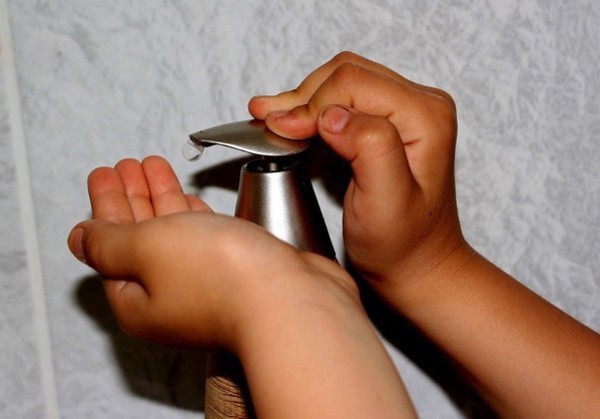
- We focus on handwashing with the children so they can learn good hygiene habits.
- Soap and hand sanitizer are easily accessible in both the bathrooms and the kitchen. In addition, we have hand sanitizer available in the cloakroom.
- The kitchen has its own cleaning checklists that are filled out regularly to prevent bacteria from growing and spreading.
- The kindergarten is cleaned daily, in addition to a deep cleaning once a year.
- Toys are washed regularly, and we rotate them at least once a week to prevent bacterial growth.
- During periods with high levels of illness or outbreaks, we follow additional routines for disinfecting handles and surfaces.
Environmental and Well‑Being Work
Polarhagen Kindergarten shall be a good place for both children and adults. We are committed to ensuring that everyone feels seen and acknowledged, and that everyone has the opportunity to participate in shaping their own everyday life.
Children:
- We hold parent–teacher conferences 1–2 times per year so that all families feel heard and supported. Additional meetings are offered whenever parents or staff request them.
- We prioritise present and attentive staff during drop‑off and pick‑up, ensuring good communication about the child’s day and the ability to receive messages if needed.
- Annual user surveys allow parents to influence the children’s kindergarten experience.
- We conduct child interviews and “friendship bus” activities with the oldest children to map well‑being and support a positive social environment in the group.
Staff:
- Every year, we conduct anonymous employee surveys to assess the psychosocial work environment in the kindergarten.
- We hold weekly staff meetings where everyone can contribute, participate, and influence the content of their own workday.
- The manager conducts annual staff development conversations with all employees.